
The Role of Environment in Betting Decisions
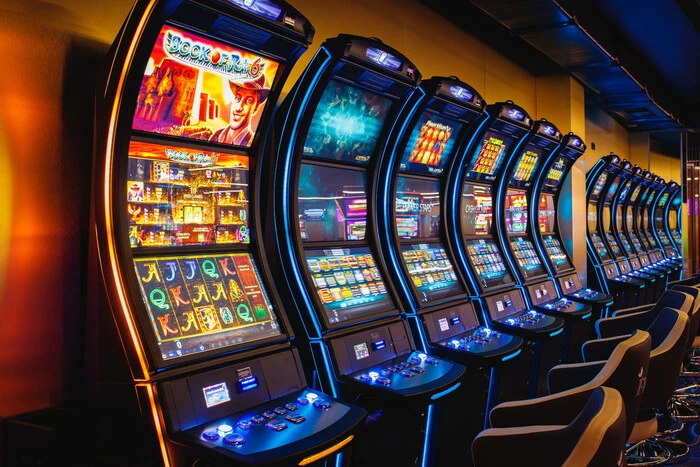
The atmosphere of a casino plays a crucial role in shaping the betting behavior of its patrons. Casinos are designed with specific colors, lighting, and sounds that create an enticing environment. Bright lights and vibrant colors stimulate excitement and encourage players to engage with the games. This sensory overload can often lead to impulsive betting decisions, where players may wager more than they initially intended due to the exhilarating ambiance. For those who prefer privacy while exploring their betting options, there are no kyc online casinos that provide a discreet way to play.
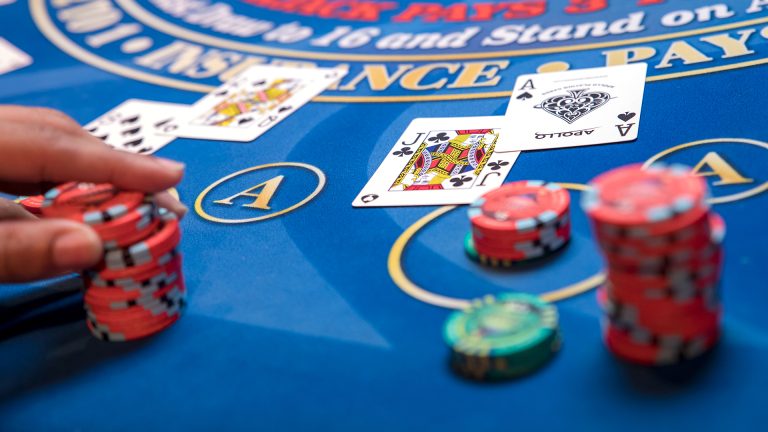
Moreover, the strategic placement of games and slots is meant to make players feel as if they are always within reach of a win. This psychological tactic keeps bettors in a state of anticipation, often leading them to continue placing bets in the hope of hitting that big jackpot. By carefully controlling the environment, casinos are adept at influencing how much and how often players choose to gamble.
The Illusion of Control
One of the psychological tactics employed by casinos is the illusion of control. Many games, especially those that involve skill like blackjack or poker, give players the false sense that their decisions significantly impact the outcome. This belief can lead to more aggressive betting, as players may feel emboldened to take risks under the guise of influence over the game.
This illusion is often reinforced through the language used by casinos. Terms such as “strategy” and “skill” imply that players can alter their fate through thoughtful decisions. In reality, the house always has an edge, but by fostering a mindset of control, casinos entice players to engage more deeply and spend more of their money in hopes of proving their skills.
The Power of Reward Systems
Reward systems are another psychological tool that casinos utilize to encourage gambling behaviors. Loyalty programs, comp points, and complimentary offers create an environment of incentives that can make players feel valued. Each time a bettor places a wager, they may accrue points that can be redeemed for bonuses or perks, which encourages them to continue betting in hopes of receiving greater rewards.
This system exploits the human desire for recognition and reward, leading players to gamble more frequently in order to achieve a higher status within the casino’s hierarchy. The thought of receiving a free meal or a luxurious hotel stay after a long betting session often keeps players coming back, further increasing their gambling activity.
Playing on Emotions
Casinos also leverage emotional triggers to influence betting behavior. By tapping into feelings such as excitement, fear of missing out, and the thrill of risk, casinos create a highly compelling environment. The excitement of winning, whether through large jackpots or small wins, can trigger an emotional high that players want to replicate, leading to continued gambling.
Conversely, the fear of losing out on potential wins can drive players to place bets even when they may not have intended to. This emotional rollercoaster is a significant factor in gambling addiction, as players find themselves caught in a cycle of highs and lows that keep them returning for more, often at a cost to their financial well-being.
Enhancing Your Learning Experience
Understanding the psychological tactics that casinos use can empower bettors to make informed decisions. By recognizing how environment, perceived control, rewards, and emotions influence gambling behavior, individuals can approach their betting activities with a more critical mindset. Being aware of these strategies allows for more strategic and less impulsive decisions when it comes to placing bets.
For those looking to further their understanding of English or enhance their decision-making skills within the scope of gambling and beyond, utilizing educational resources can significantly benefit both knowledge and language capabilities. Engaging with appropriate materials can pave the way for more informed and responsible betting practices in the future.